
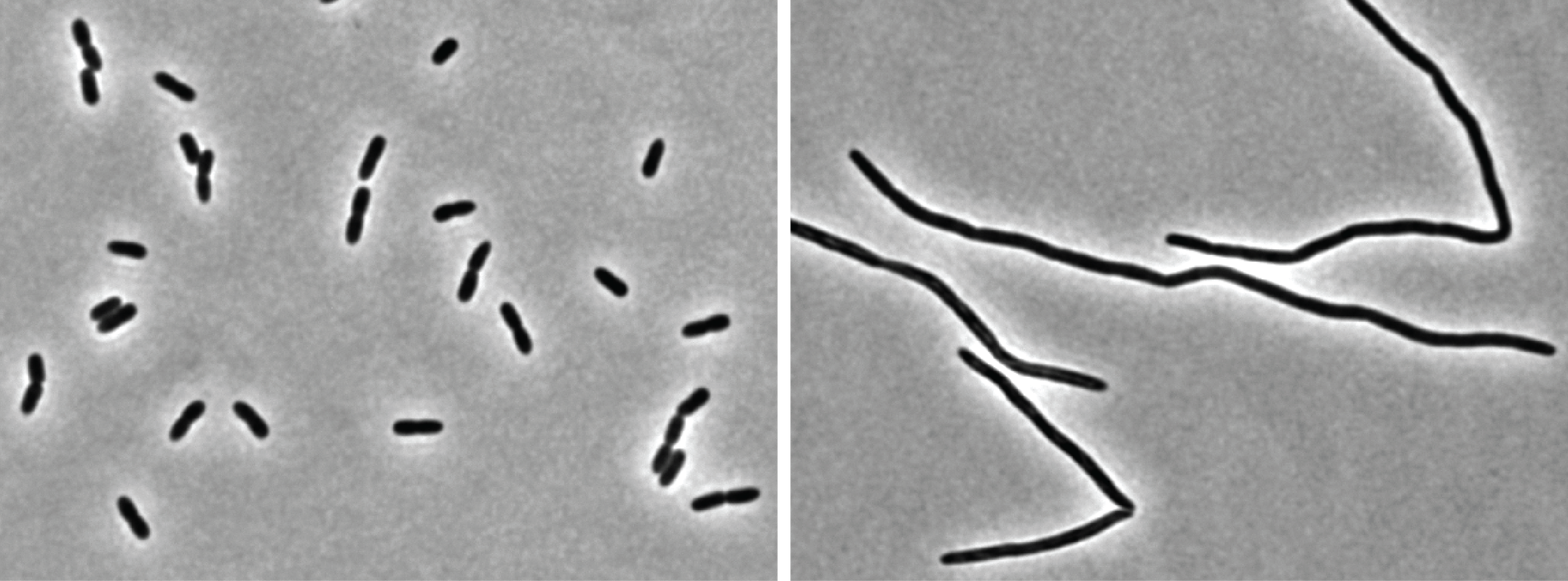
From molecular mechanism to antibiotic discovery
Peptidoglycan synthesis is the most successful antibiotic target discovered to date, targeted by drugs such as the β-lactams that have been mainstays of antibacterial therapy for decades. We use biochemistry and structural biology to understand the proteins and regulatory pathways responsible for building the cell wall at the molecular level, with the goal of uncovering new vulnerabilities for antibiotic development.
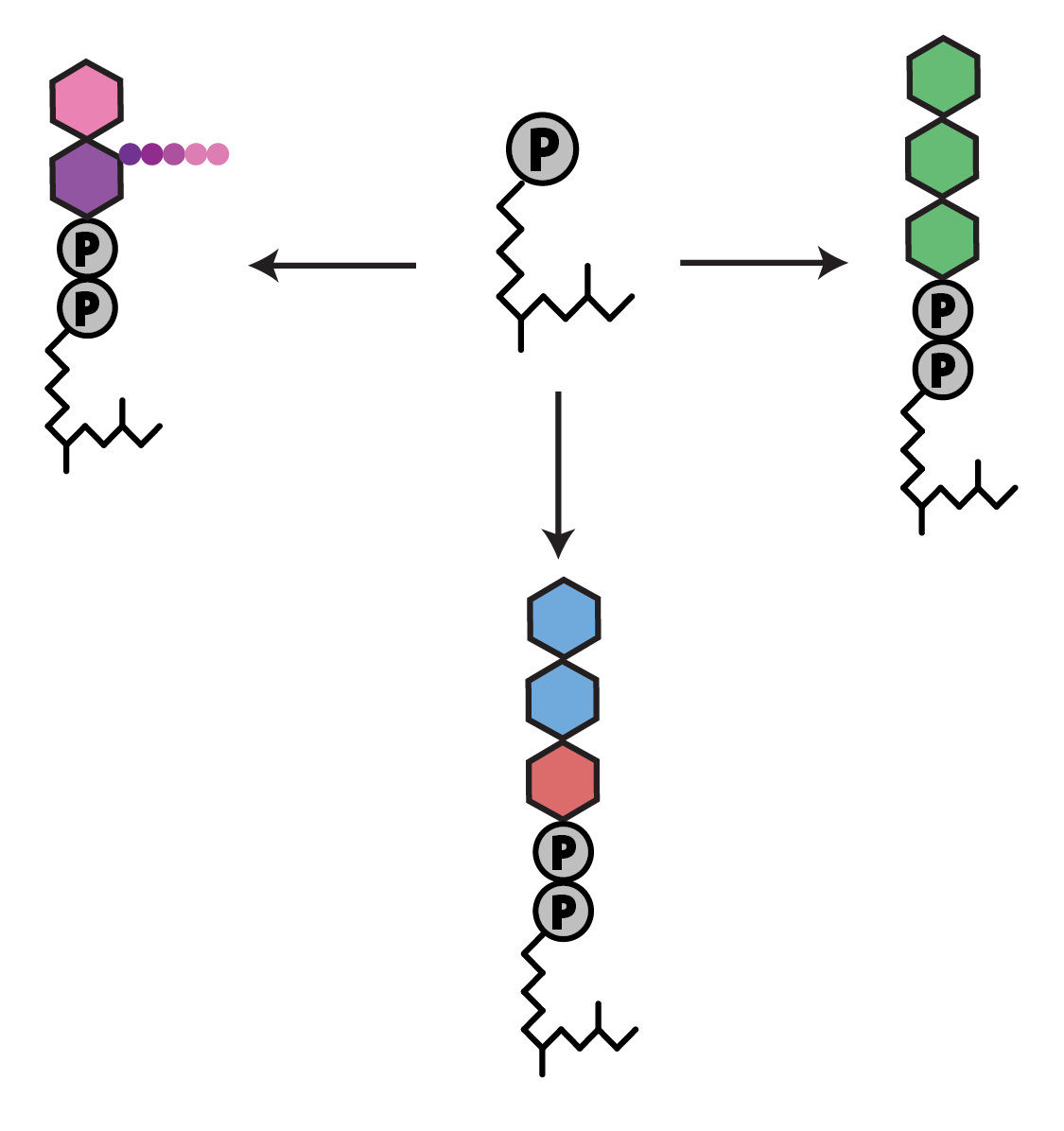
Cell envelope synthesis and antibiotic susceptibility
Changes in cell envelope synthesis can profoundly alter how bacteria respond to antibiotics. We investigate how perturbing the pathways that build and regulate the cell envelope affects antibiotic susceptibility, and how bacteria adapt when these processes are disrupted.
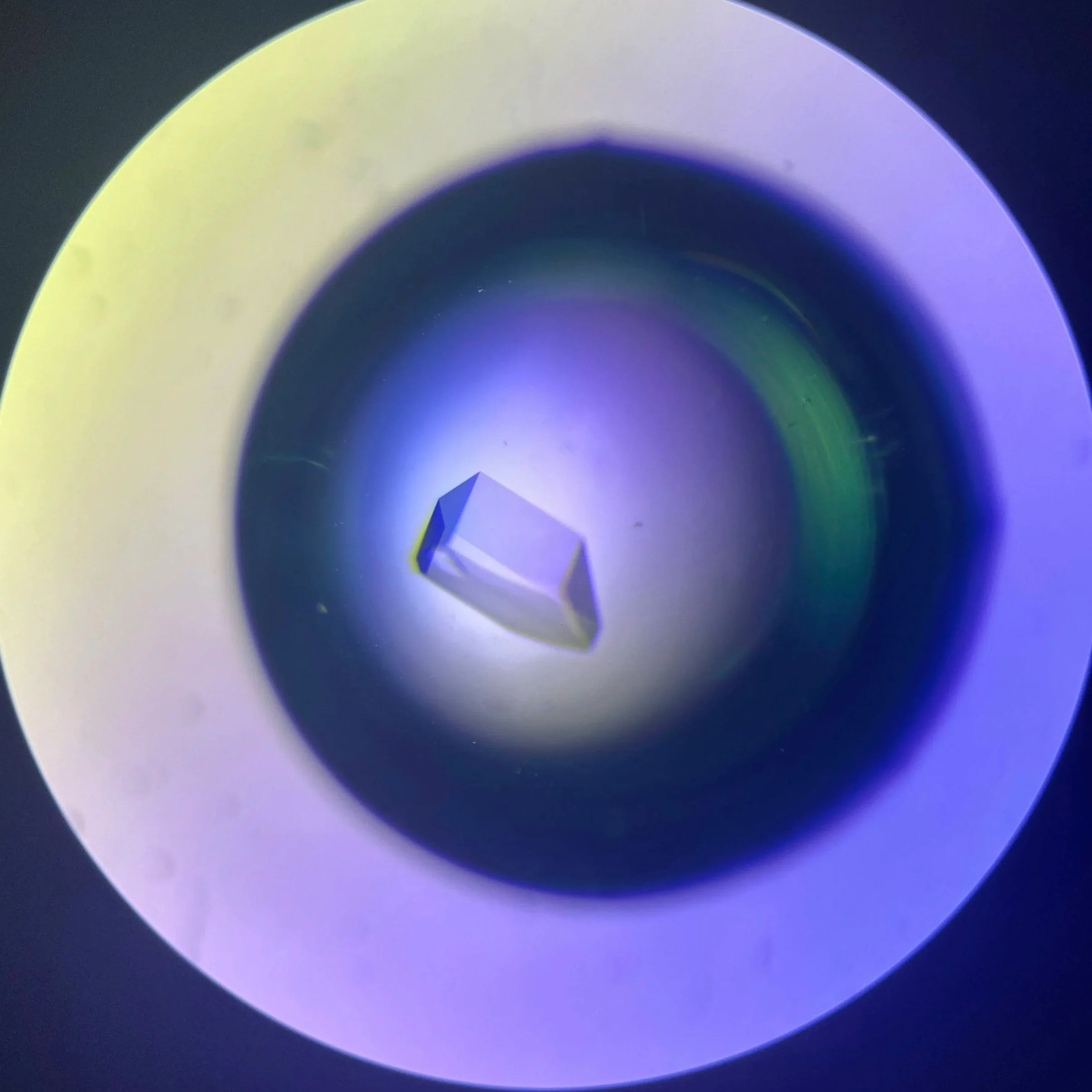
The Marmont lab studies how bacteria assemble and regulate the protective layers that surround the cell, collectively known as the cell envelope. Using the opportunistic bacterial pathogen Pseudomonas aeruginosa as our primary model organism, we combine bacterial genetics, microscopy, biochemistry, and structural biology to uncover novel mechanisms of bacterial physiology and identify vulnerabilities that can be exploited to combat antibiotic-resistant infections.
Building the bacterial cell envelope
How do bacteria coordinate the synthesis and assembly of the cell envelope as they grow and divide? We study the regulatory mechanisms that control peptidoglycan synthesis, with particular interest in how bacteria balance the production of cell wall precursors with competing glycan pathways.